Role
Product Designer & Researcher
Industry
E-Commerce
Timeline
5 months
INTRODUCTION
Problem Space
Shopping preferences and sentiment not translating into competitive advantage for local businesses
While 6 in 10 Canadians prefer to shop locally, this preference hasn’t translated into a competitive advantage for local businesses.
Canadian consumers prioritize sustainability and ethics, signalling an opportunity for platforms to highlight local, eco-friendly, and transparent sourcing.

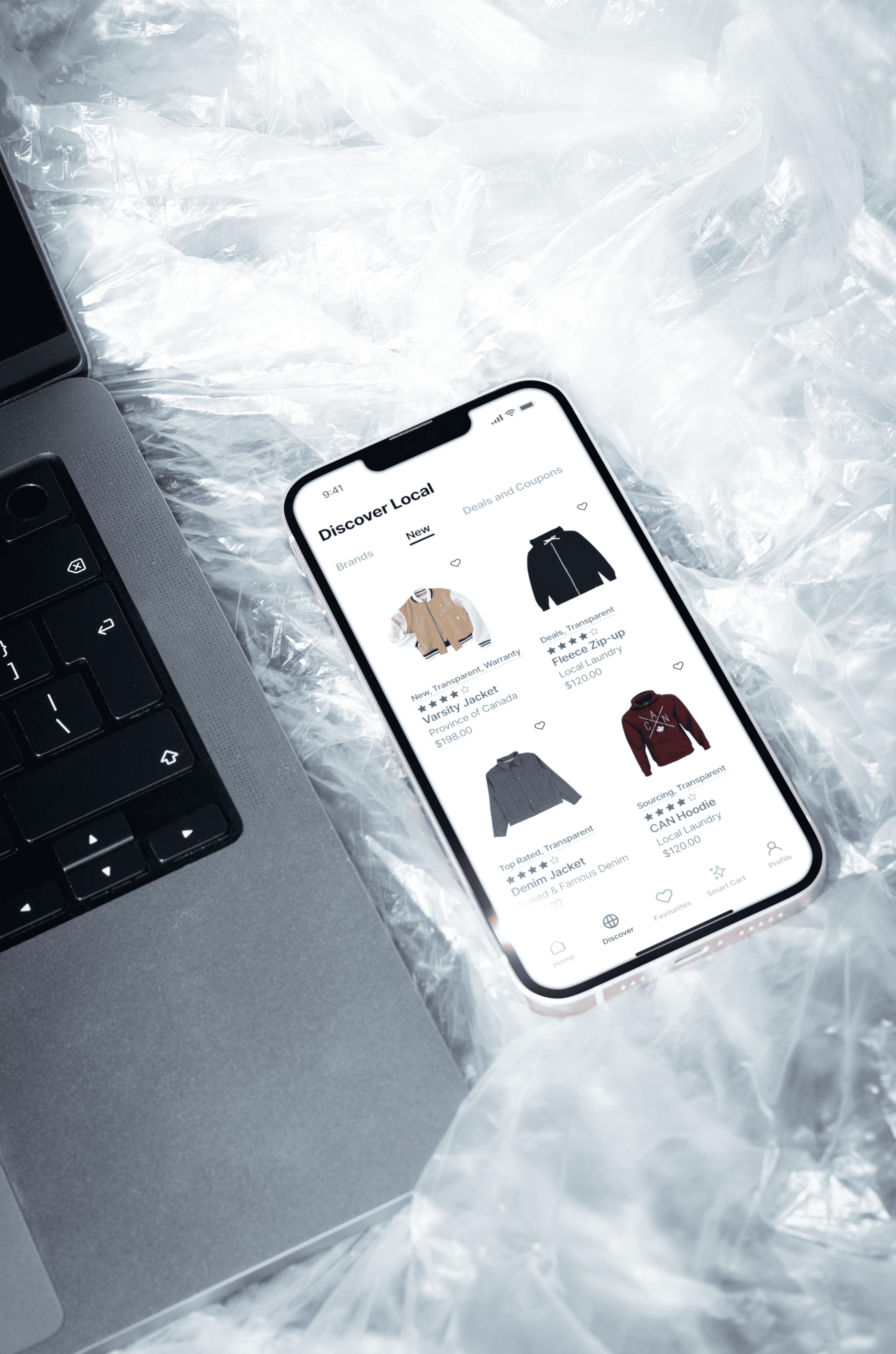
Research Strategy + Insights
Uncover friction points
What would make users switch to an alternative shopping platform?
Users need a strong sense of reliability and protection when engaging with alternative platforms.
Understanding Users
Are users are willing to pay a premium for ethically sourced products?
Users exhibit patterns of growing awareness towards sustainable and ethical purchases.
Validating Assumptions
“Platforms that can offer the best price and convenience adopts new customers.”
Not quite—offering the best product deal is not enough to win new users. Universally valued features include free shipping and the option to customize preferences.
Methodologies: Focus groups, card sorting, competitive analysis, SWOT analysis.
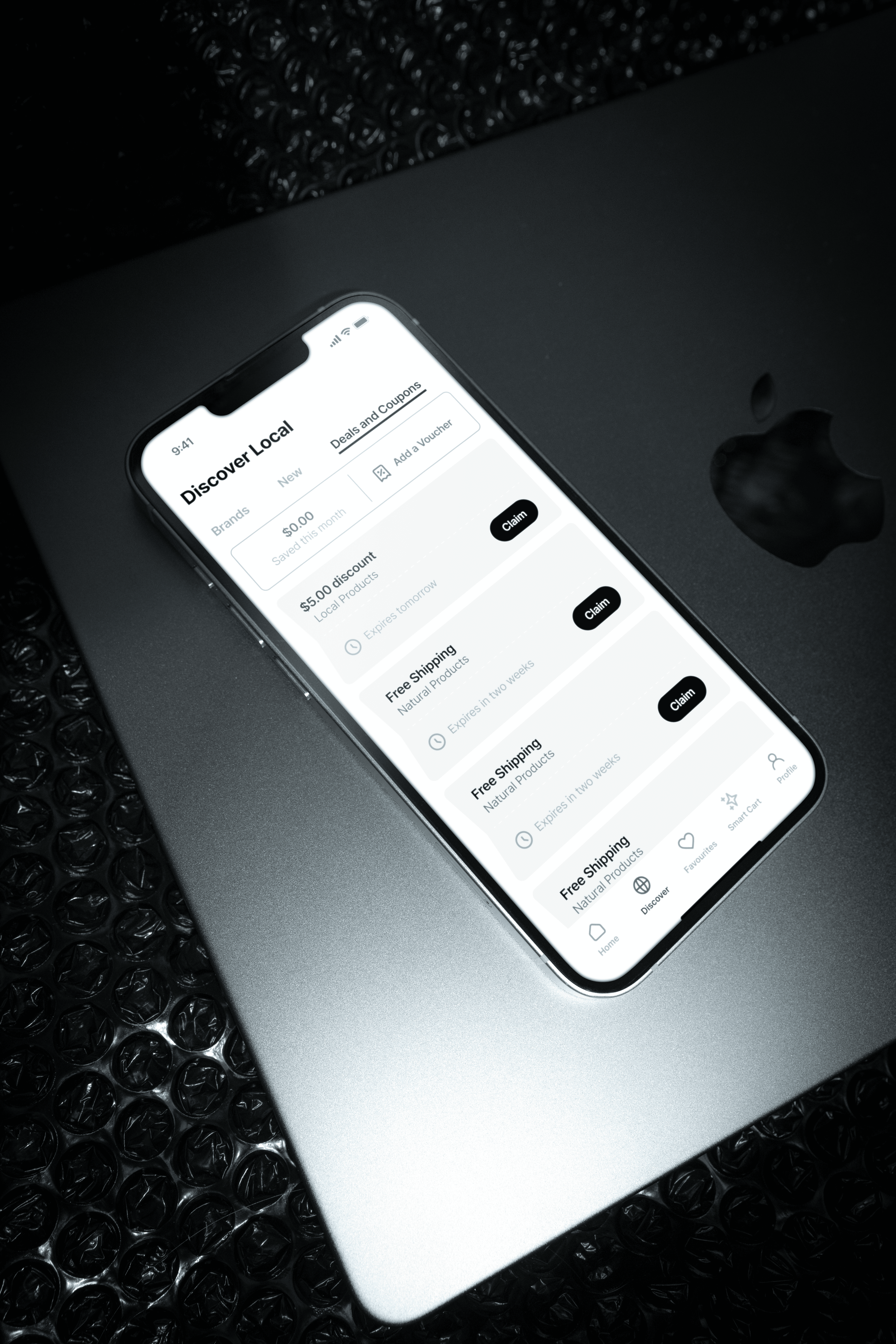
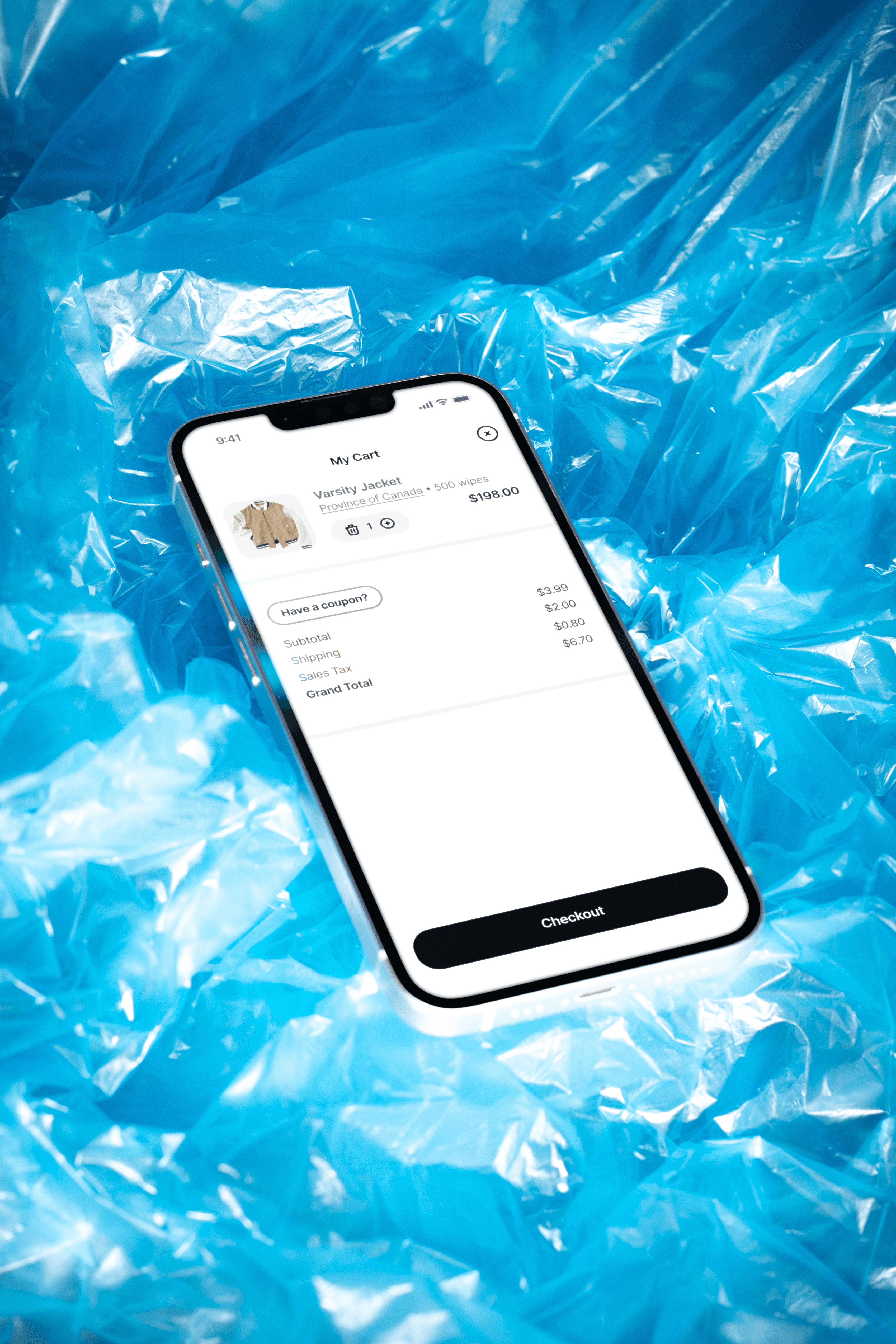
User Archetypes

The Ethical Shopper
Prefers supporting local businesses for their community impact.

Deal Hunter
Looks for the best priced products that are tried and tested.

Efficiency Seeker
Looks for the fastest way to shop for convenience.
DEFINE PHASE
Design Goals and Constraints
Efficient browsing
The design must enable users to quickly filter and browse products that aligns with individual user’s needs and value preferences.
Transparency and Trustworthiness
The design must allow users to feel secure and well-informed with how their data is being processed and how they can have control over it. (Explicit permissions for collecting, storing, and using participant data).
Fair Hierarchy
The design must not have biases that pushes the visibility of one product over the other by using consistent hierarchy.
DEVELOP PHASE
User Testing Insights #1
Users need clear and tangible incentives—fast shipping, better deals/discounts, or ethical shopping perks to switch into a new platform.
Users appreciate product recommendations but are wary of manipulative urgency tactics.
Users like recommendations but dislike disruptive product changes. The smart cart should offer suggestions without altering product selections.
Methodology: Paper Prototyping and User Interviews
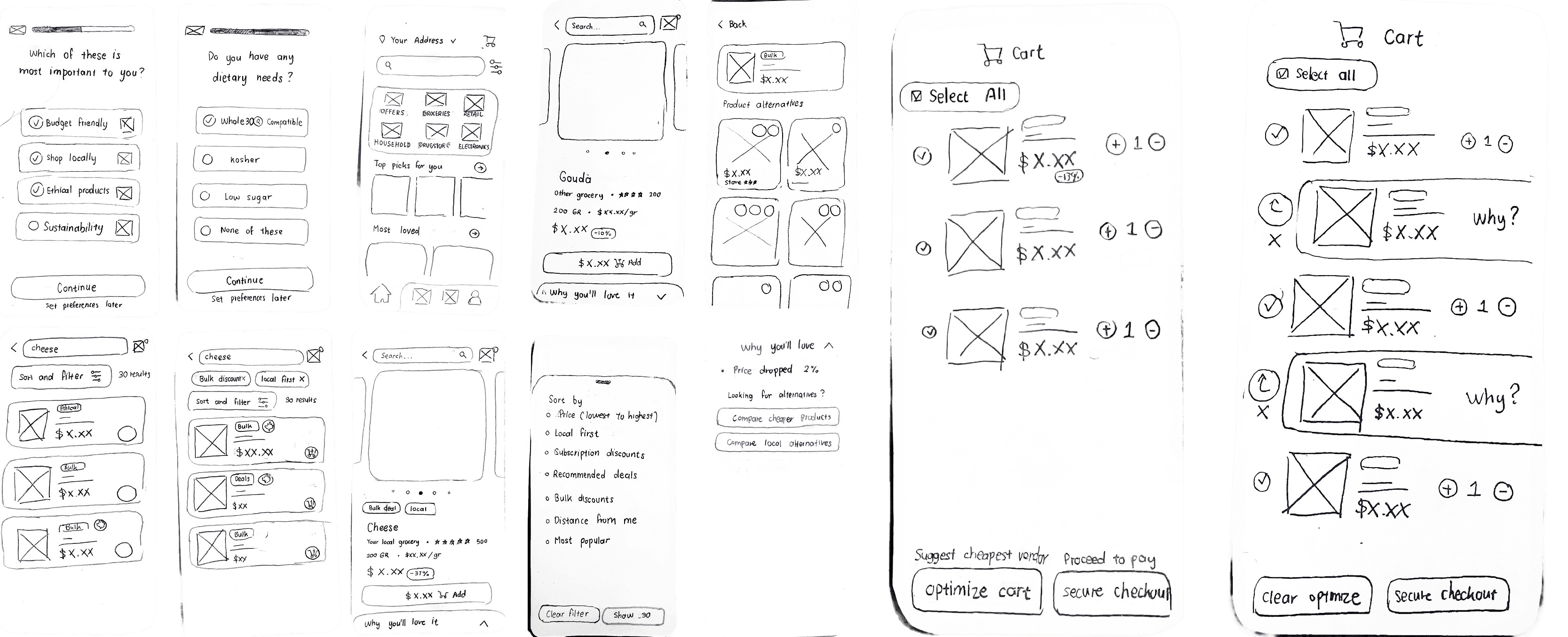
Key Decisions
Offer suggestions without automatically altering selections.
Highlight unique benefits upfront (e.g., local discounts, eco-friendly sourcing) as incentives.
The “Why You’ll Love This Product” section should focus on genuine value rather than pressure to buy.
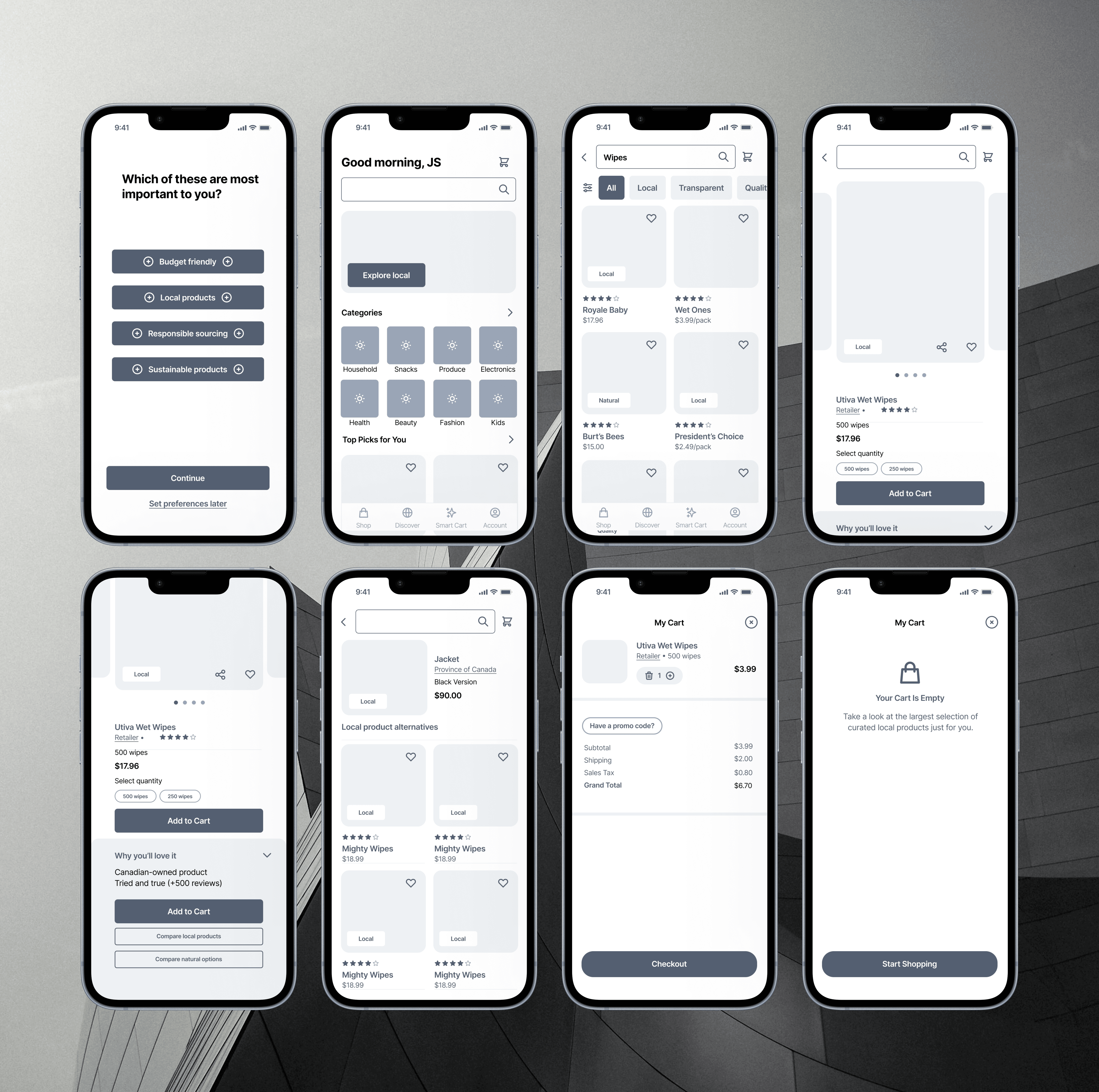
User Testing Insights #2
Onboarding
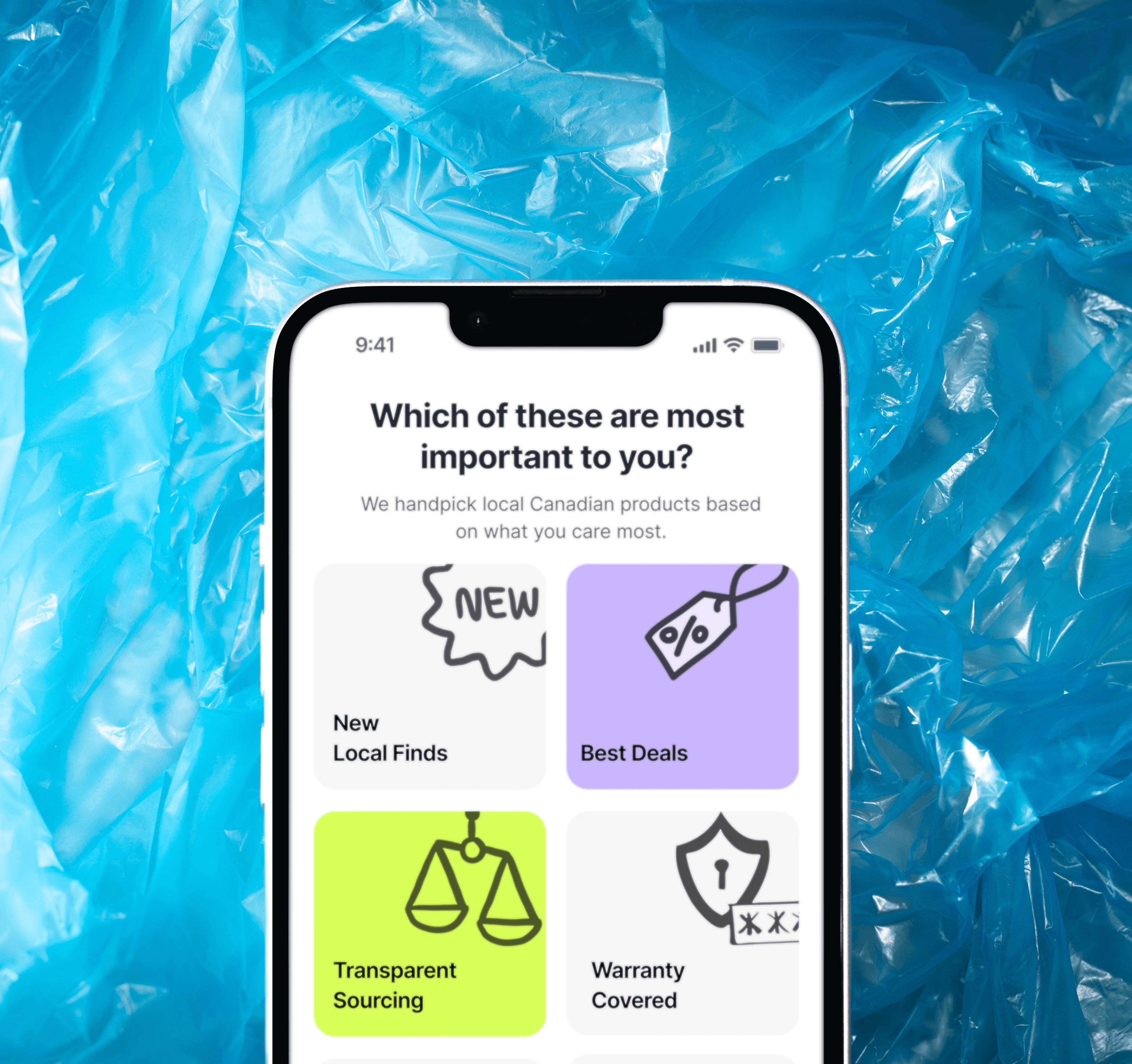
Icons and imagery work best to represent different values for easy visual scanning.
Homepage + Discover
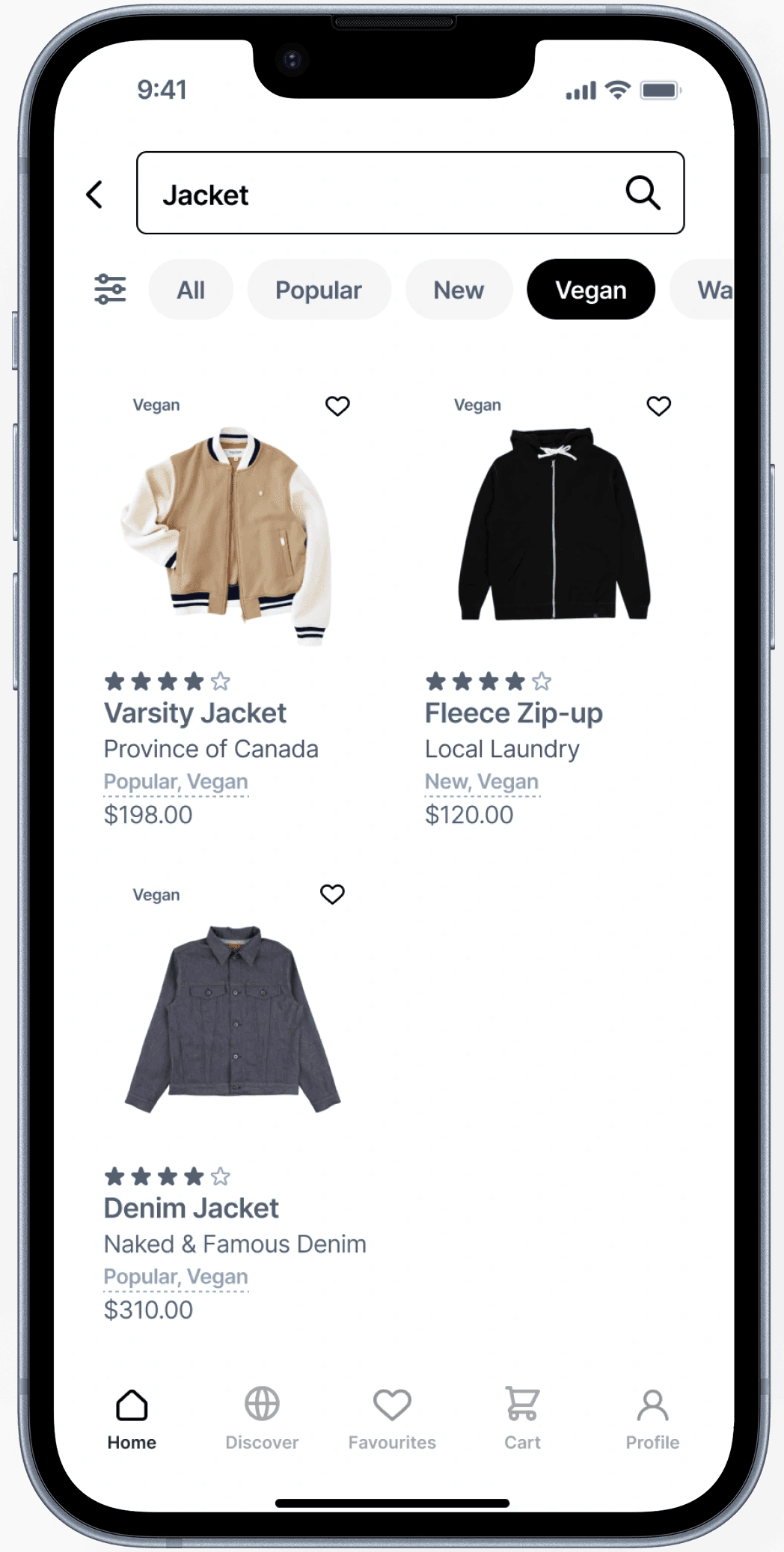
Add filter by category under search result to allow quick filtering.
Product comparison
Feature discoverability should be improved. Word choice for “why you’ll love it” section needs to be reviewed to avoid user manipulation strategies.
Methodology: Five-second Test, A/B Testing, Tree Testing, and User Interviews.
DELIVER PHASE
Final Outcome
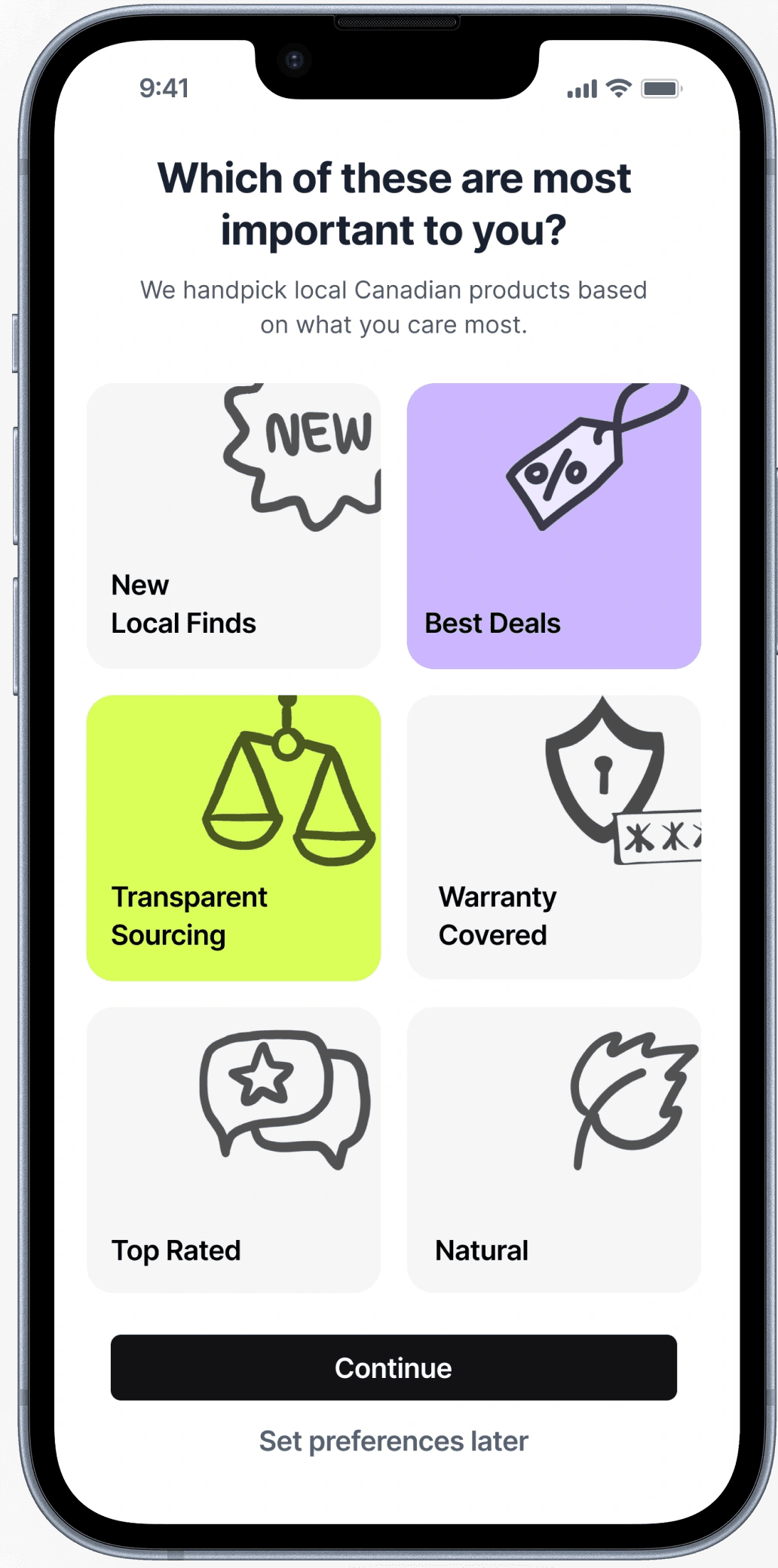
Remove the mental load.
First impressions matter. The onboarding process helps users to access the tools with convenience and clarity.
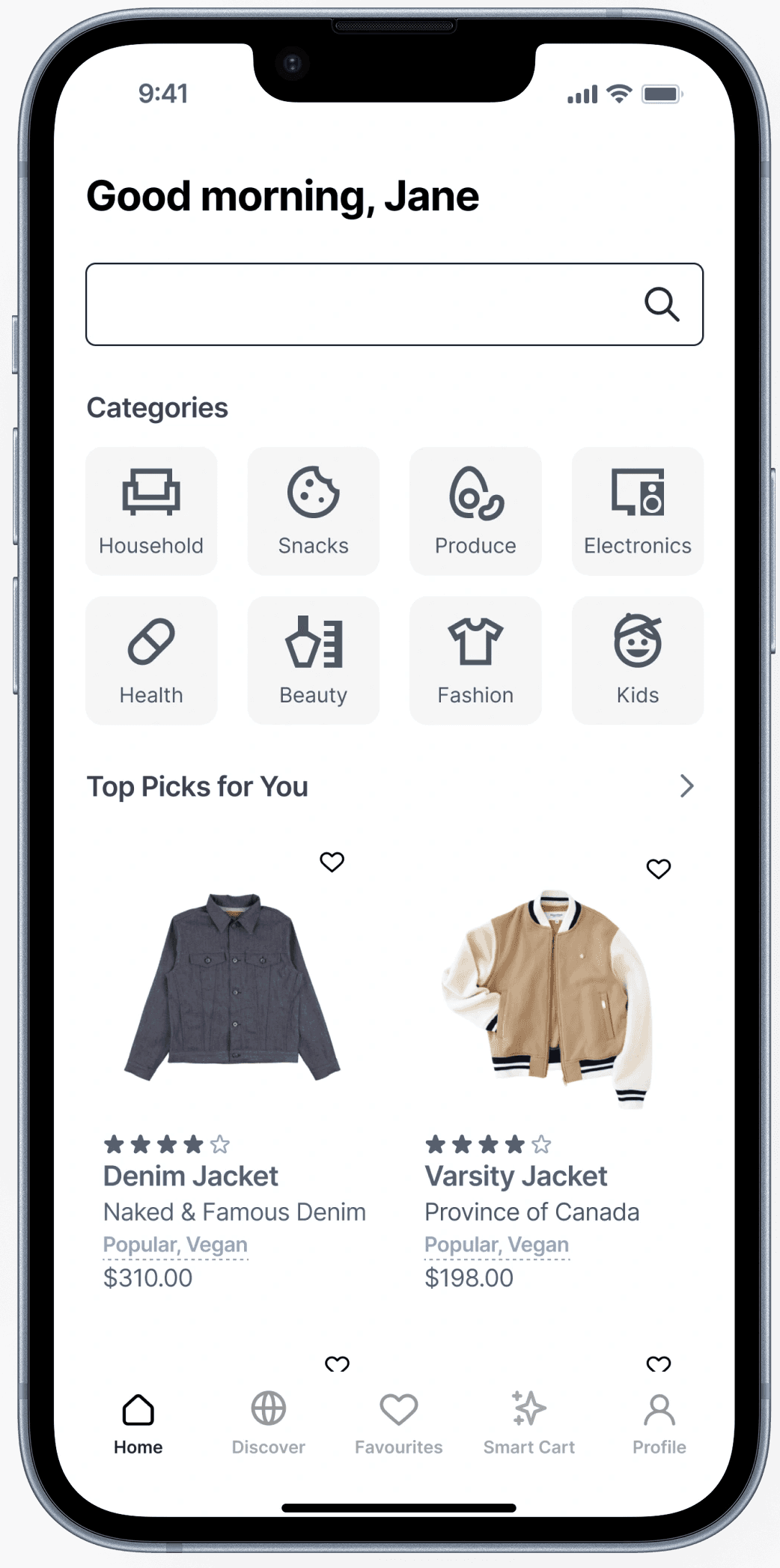
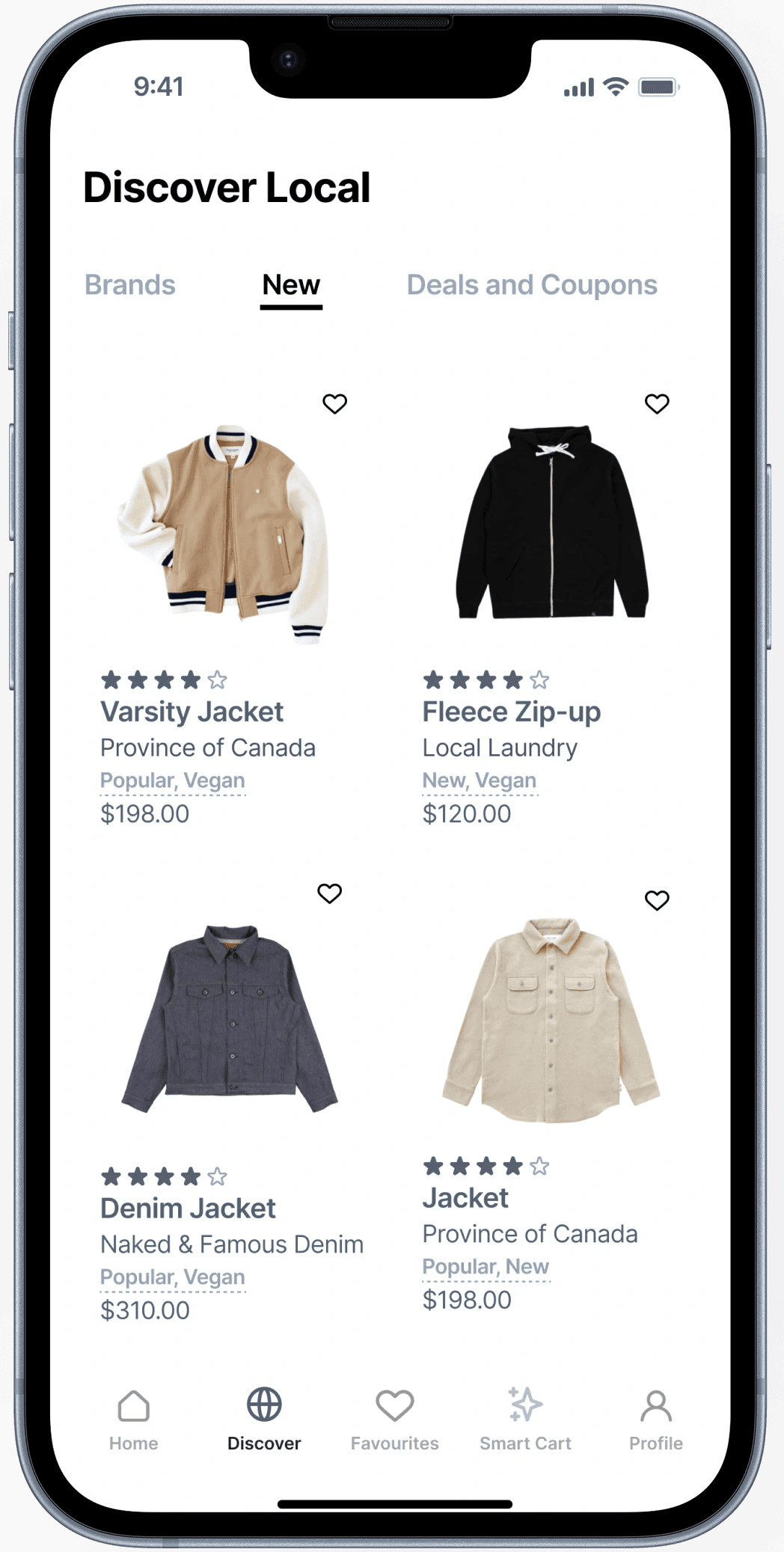
Convenient product discovery.
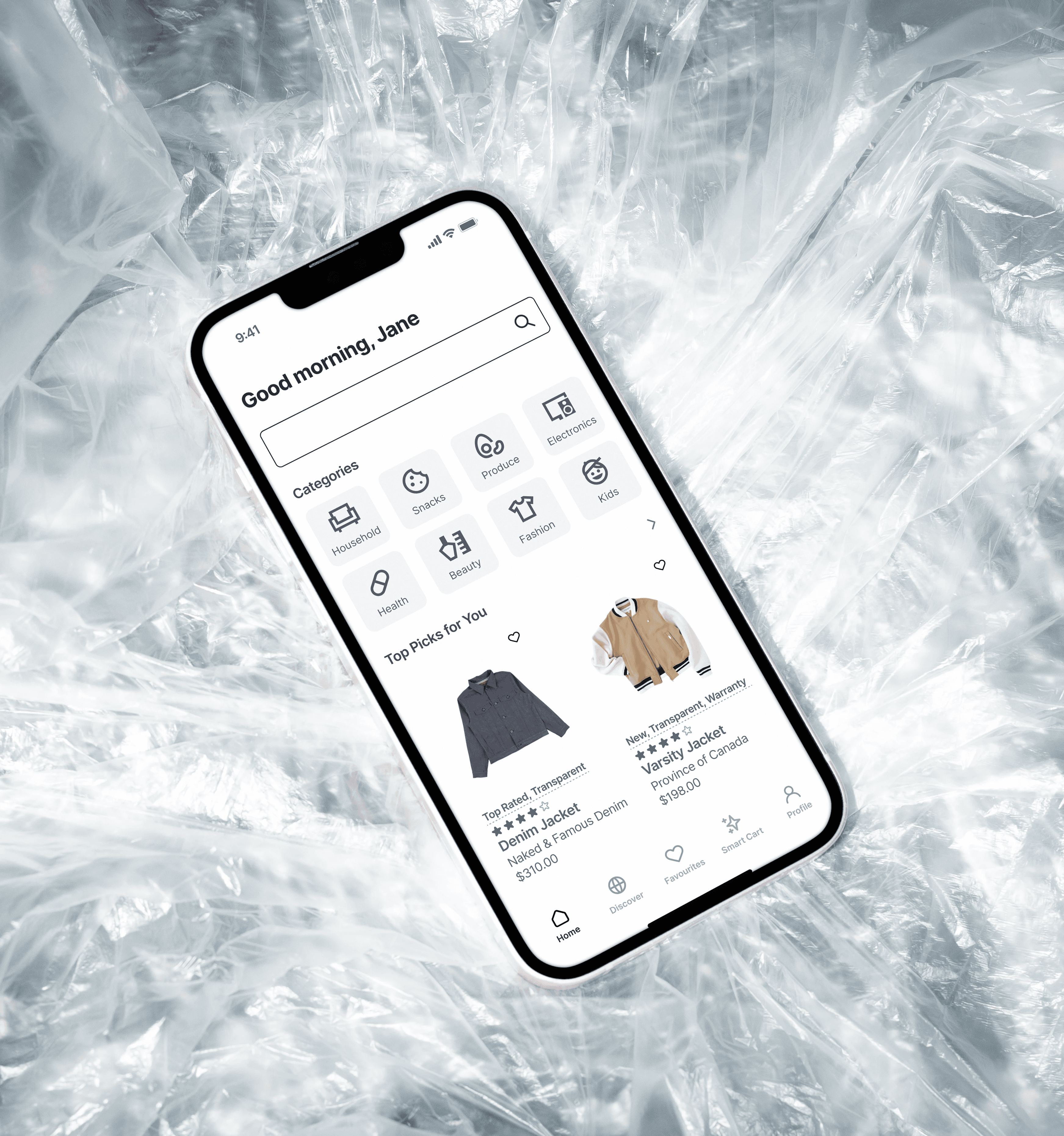
Suggestions are offered based on explicit user control—their values— in order to filter out all other noise.
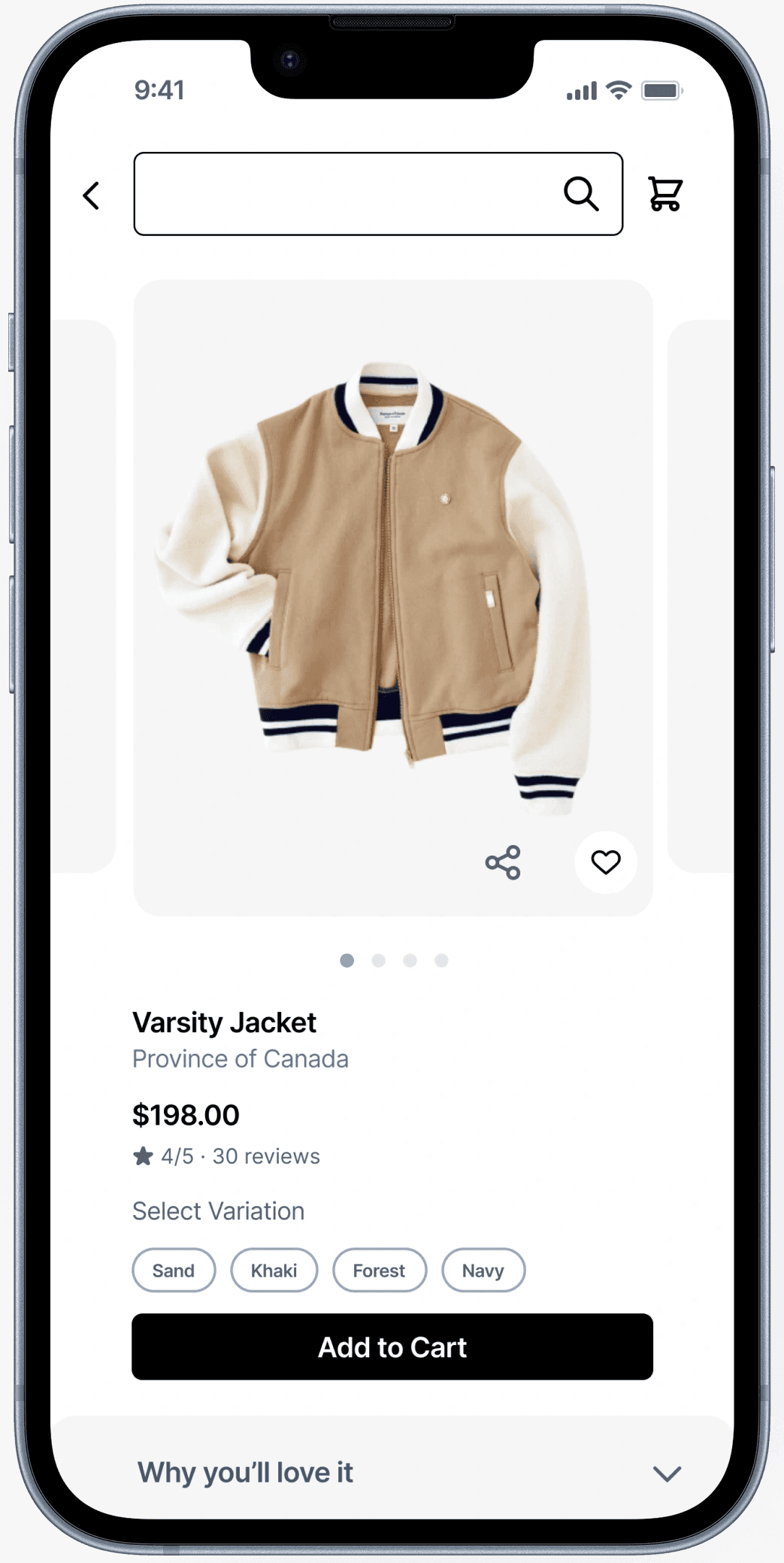
Designs that prioritize clarity.
Careful use of hierarchy and accent colours promotes mindful choices instead of pushing for urgency.
REFLECTION
If I had another shot in this project…
Here are a few things I learned:
I would stop obsessing over how smart cart can help users discover product alternatives, as automation isn't solving how users get to consciously make a purchase decision.
I would try to reimagine and take time experimenting on how ValYou could look like as platform to avoid relying on referencing how existing e-commerce platforms are designed.